


Exproof Housing
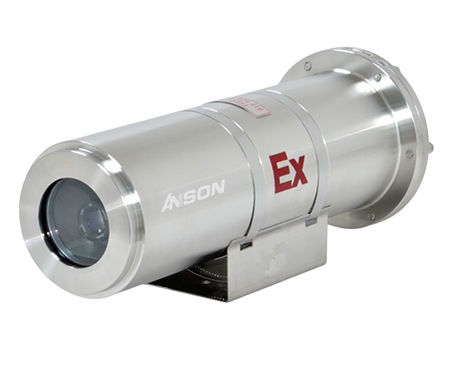
Explosion-proof (Exproof) housings are specialized enclosures designed to protect electrical and electronic equipment, like cameras, from explosions in hazardous environments. They prevent the ignition of flammable gases, vapors, or dust by containing potential sparks or heat within the housing. These housings are crucial for safety in industries like oil and gas, petrochemical, and mining, where flammable substances are present.
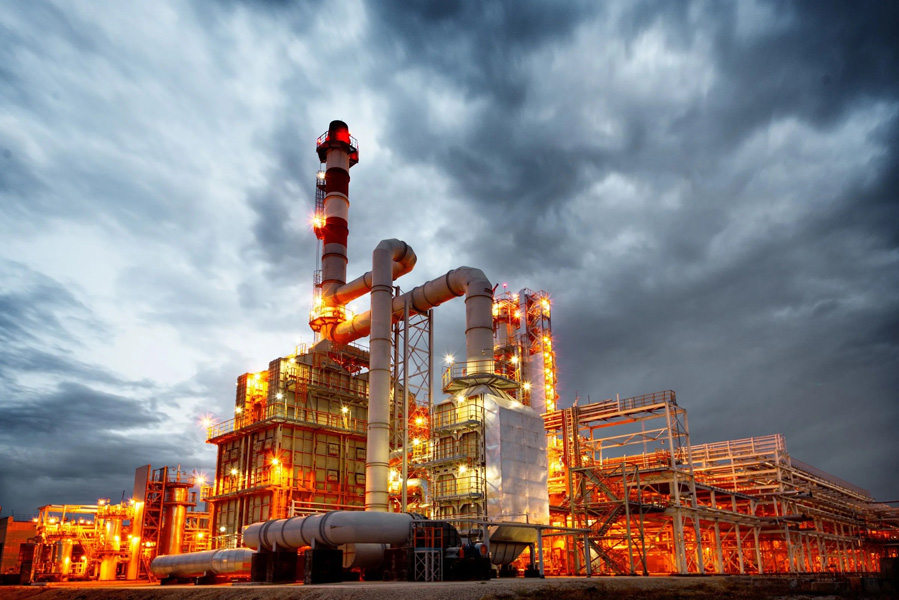
Applications
- Oil and Gas
- Petrochemical Plants
- Grain Elevators
- Mining
- Other Industries
Frequently Asked Questions
ELV networks, like any other network, are vulnerable to various attacks, including:
- Exproof housings are enclosures designed to contain explosions within the housing and prevent the ignition of surrounding flammable substances.
- They are essential for electrical equipment in hazardous locations where flammable gases, vapors, or dust are present.
- These housings are built to withstand the pressure and temperature changes associated with explosions and prevent flame propagation.
- They are typically made of sturdy materials like stainless steel or aluminum alloy.
- To prevent explosions and fires in hazardous environments.
- To protect personnel and equipment from the dangers of explosive atmospheres.
- To ensure compliance with safety regulations and standards.
-
Hazardous Area Classification:
Different zones (e.g., ATEX zones 0, 1, 2 for gases and 20, 21, 22 for dust) require specific certifications and equipment to prevent ignition.
-
Camera Compatibility:
Ensure the housing is compatible with the camera's dimensions, mounting requirements, and any additional features like heaters or wipers.
-
Environmental Conditions:
Consider temperature extremes, humidity, and potential contaminants like dust or corrosive chemicals.
-
Mounting Requirements:
Determine the appropriate mounting method (pole, ceiling, wall) and ensure the housing supports it.
-
Maintenance Needs:
Factor in the need for regular cleaning or maintenance and choose a housing with features like wipers or sunshades.
-
They reduce video quality:
Modern exproof housings, especially those with Wide Dynamic Range (WDR) technology, do not compromise video quality due to the glass barrier.
-
They are only for outdoor use:
Exproof housings can be used in both indoor and outdoor hazardous locations.
-
They are not weather-resistant:
Many exproof housings are also designed to be weather-resistant with high ingress protection ratings.
- Explosion-proof equipment prevents explosions by containing explosions within the enclosure, preventing the ignition of surrounding flammable materials, or both.
- They are designed to withstand the extreme pressure and temperature changes during an explosion.
- They prevent the propagation of flames through specialized designs and robust materials.
- Oil and gas refineries.
- Chemical processing plants.
- Mining operations.
- Food processing plants.
- Grain elevators.
- Paint manufacturing facilities.
- Durable materials: Stainless steel or aluminum alloy construction.
- High ingress protection: Resistance to dust, water, and other environmental elements.
- Temperature control: Heaters or sunshades to maintain optimal operating temperatures.
- Mounting options: Variety of mounting brackets and bases.
- Cable entry ports: For secure and weatherproof cable connections.
Have questions? We can help
Our video security experts can help you implement the right security system for your business.